
Chronic Lower-Limb Oedema in Older Adults: What Are We Missing?
New research highlights the prevalence of chronic lower-limb oedema in older people and an important evidence gap in aged care.
By Maree O’Connor, Physiotherapist, PhD Candidate, Australian Catholic University
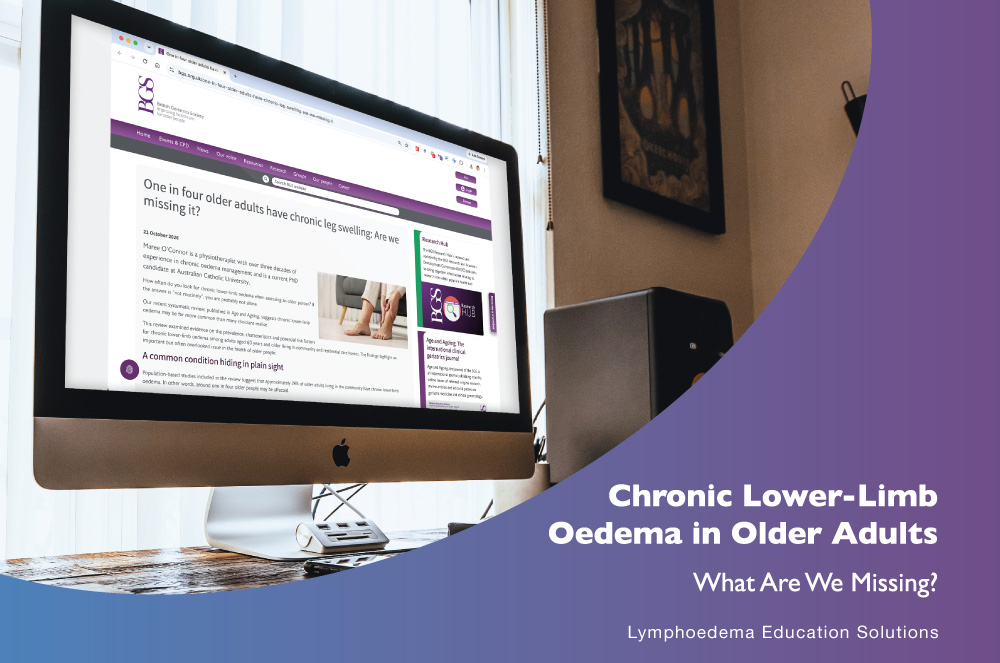
How common is chronic lower-limb oedema in older people, and are we recognising it early enough?
This is one of the questions explored in our recent systematic review, published in Age and Ageing, which examined the prevalence, characteristics and potential risk factors for chronic lower-limb oedema in adults aged 60 years and older living in community and aged-care settings.
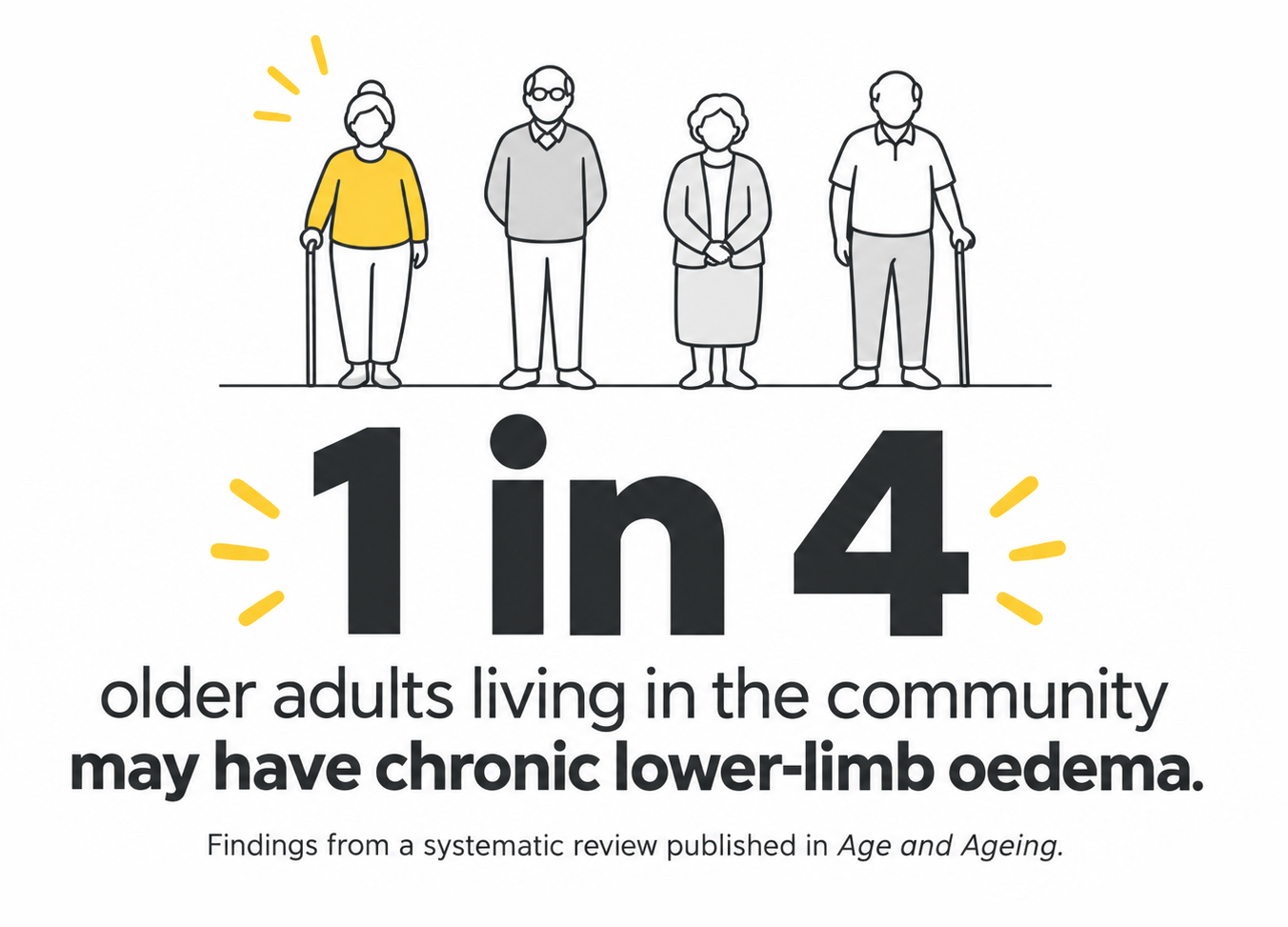
The findings suggest that around one in four older adults living in the community may be affected, highlighting a condition that receives relatively little attention despite its potential impact on mobility, skin integrity and quality of life.
A common condition with broader clinical implications
Community population-based studies included in our review reported prevalence estimates between 22.7% and 26.4%.
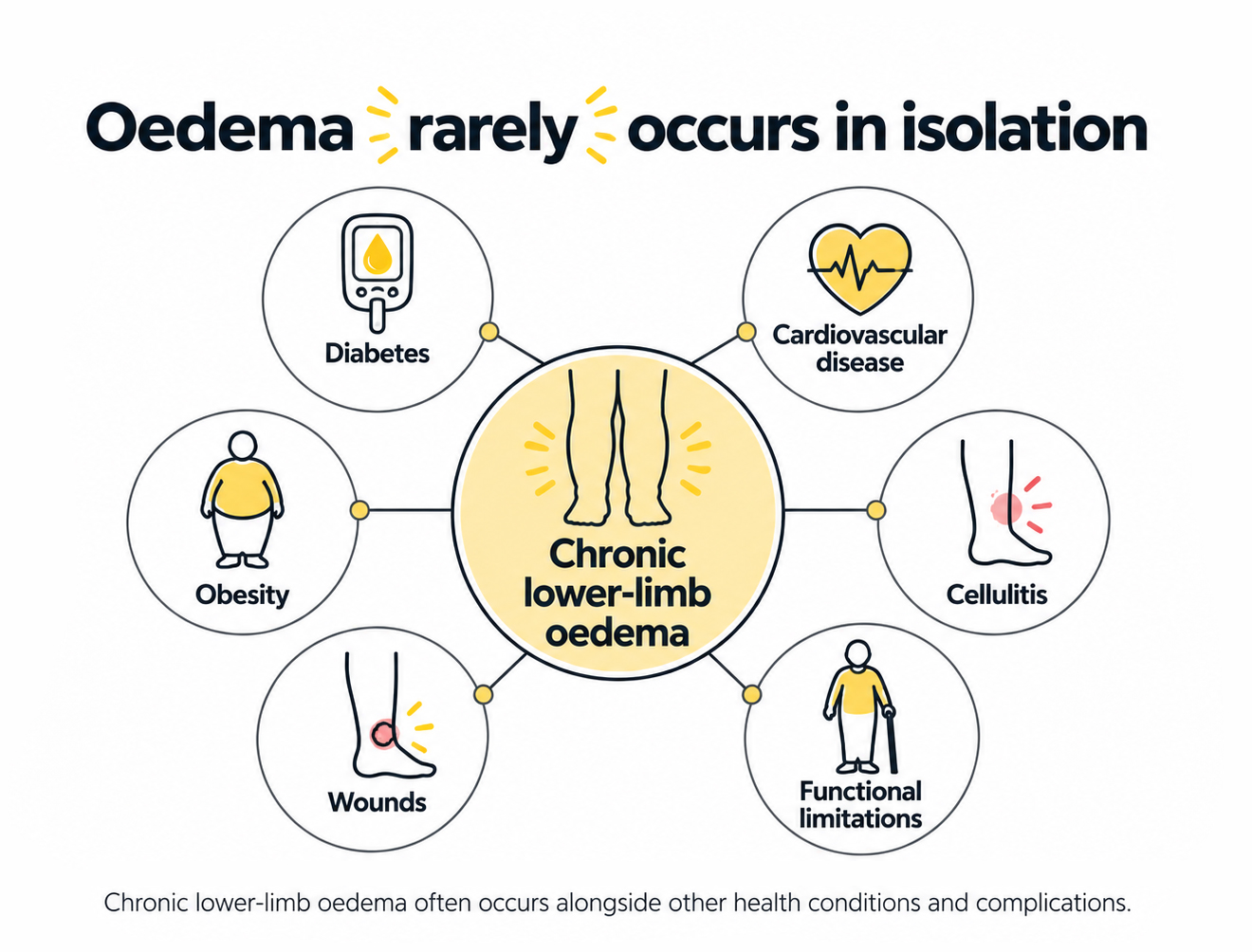
We also found that chronic lower-limb oedema frequently occurred alongside other health conditions, including diabetes, cardiovascular disease and obesity, and was associated with cellulitis, wounds and functional limitations.
These findings reinforce the importance of considering chronic oedema as part of the broader clinical picture when assessing older people, rather than viewing swelling in isolation or as an inevitable consequence of ageing.
What do we know about chronic oedema in aged care?
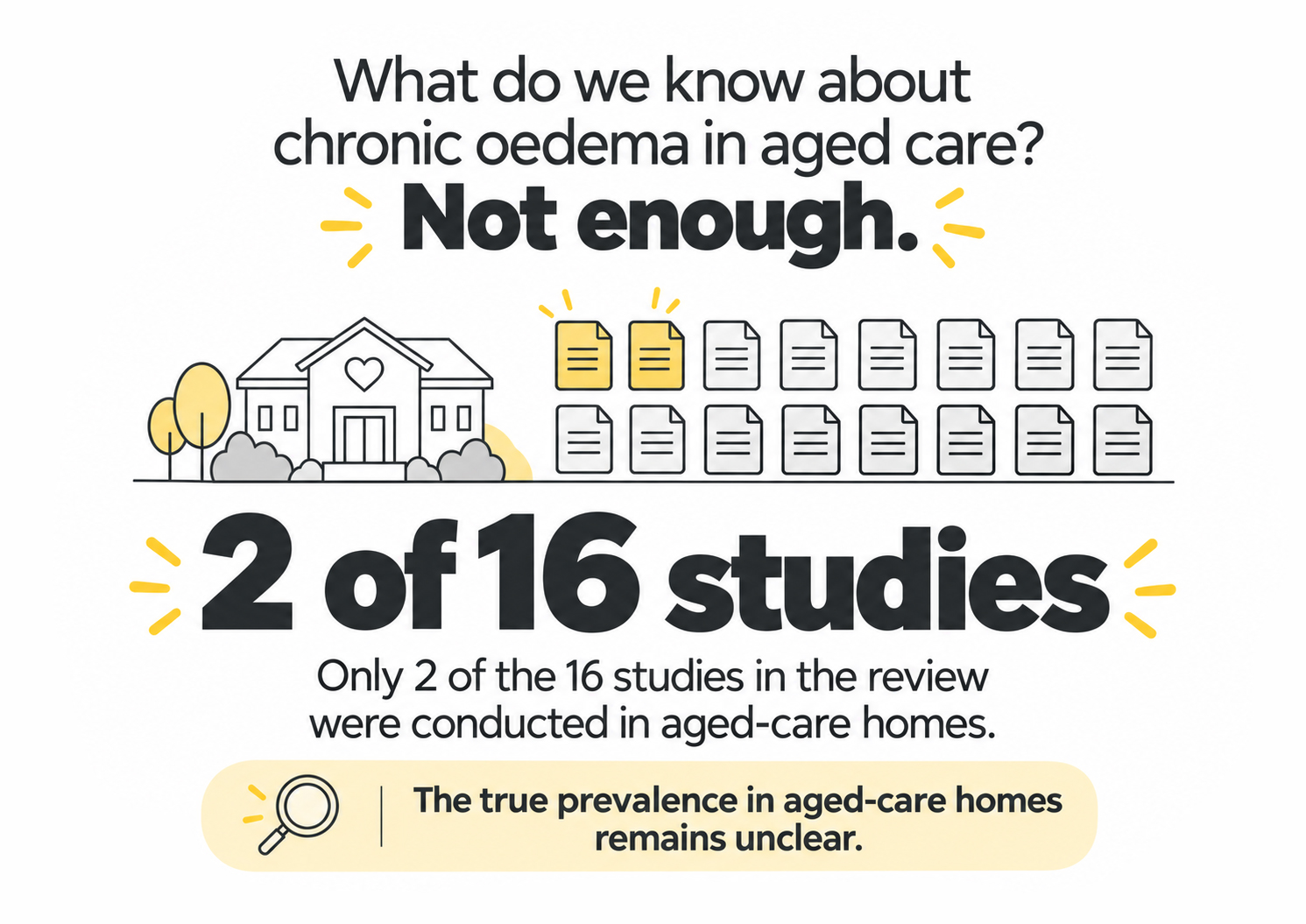
One finding that particularly stood out to me was the limited research examining chronic lower-limb oedema in aged-care homes.
Only two of the 16 studies included in our review were conducted in aged-care home settings, reporting prevalence estimates ranging from 10.0% to 27.5%. Methodological limitations mean that the true prevalence remains uncertain and may be underestimated.
This raises some important questions for clinicians and aged-care services:
- Are we routinely assessing older people for chronic lower-limb oedema?
- Are we identifying swelling before complications such as cellulitis and wounds develop?
- Do our aged-care systems support early recognition, monitoring and management?
Greater awareness and more consistent assessment may create opportunities for earlier intervention and improved outcomes for older people.
Sharing the findings with the British Geriatrics Society
I was pleased to have the opportunity to share our research through a blog article published by the British Geriatrics Society, bringing attention to chronic lower-limb oedema among a broader audience of clinicians and health professionals working with older people.
In my article, One in Four Older Adults Have Chronic Leg Swelling: Are We Missing It?, I explore the findings and their implications for clinical practice, particularly the need to improve recognition and assessment in older populations.
With increasing attention on the complex care needs of older people, I hope these findings contribute to further discussion about how we recognise and manage chronic lower-limb oedema across community and aged-care settings.


